Flood-Damaged and Salvage Cars: How to Spot Them Before You Buy
By Cee · 17 November 2026 · 5 min read
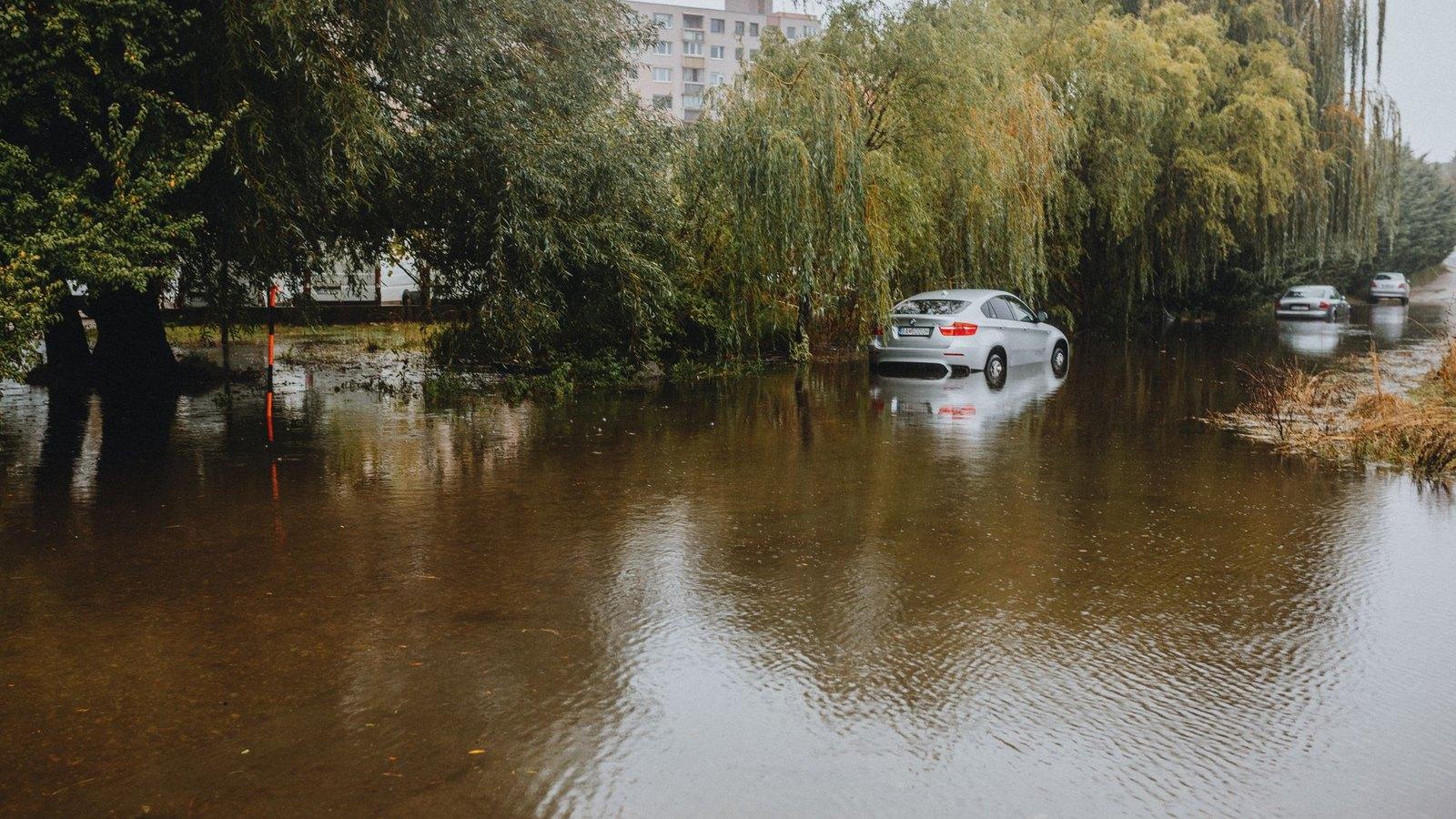
A flood-damaged or salvage car can look spotless on the outside, so the way to spot one is to combine three things: the car's records, a careful physical check and a mechanic's inspection. The records tell you whether the car was ever branded as flood or salvage. The physical check finds what cleaning can't hide, such as rust in odd places, a musty smell and electrical faults. The inspection confirms what you suspect.
This matters for anyone buying a foreign-used car. After major storms, damaged cars are often cleaned up and moved far from where they were flooded before being sold, which is exactly why US consumer agencies warn about them. This guide covers the warning signs and the checks. Disclosure: we built TokunboVerify, a car history service, and Cee is the company's COO; our case study explains our role.
What "flood" and "salvage" actually mean
In the US, when an insurer decides a car isn't worth repairing after an accident, flood or theft, it is usually declared a total loss. Many such cars then receive a branded title, such as "salvage" or "flood", that is meant to follow the car for life. Some are later repaired and get a "rebuilt" title.
NHTSA, the US road safety agency, warns that flood damage can affect a car's mechanisms for years and may not show up as a problem straight away. The Federal Trade Commission has also warned buyers about flood-damaged cars being sold after storms, sometimes with the history hidden.
The risk for buyers abroad is that a car can be exported before anyone local sees its record. The paperwork at the point of sale may look clean even though the US title history is not.
Check 1: The records
Start with the VIN, copied from the car itself. Our guide on checking a tokunbo car's history with its VIN explains where to find it and how to read a report. The key sources:
- NMVTIS, the US title database overseen by the Department of Justice, records title brands like salvage and flood. Reports are available through approved providers.
- NICB VINCheck, a free service from the National Insurance Crime Bureau, shows whether participating insurers reported the car as salvage or stolen. It is limited to five searches a day and doesn't cover mileage or full title history.
- Auction records, where available, often include photos of the car before it was repaired.
If you see a flood, salvage or rebuilt brand, a total-loss record or auction photos showing serious damage, treat the car as damaged no matter how it looks today.
Check 2: Your nose and eyes
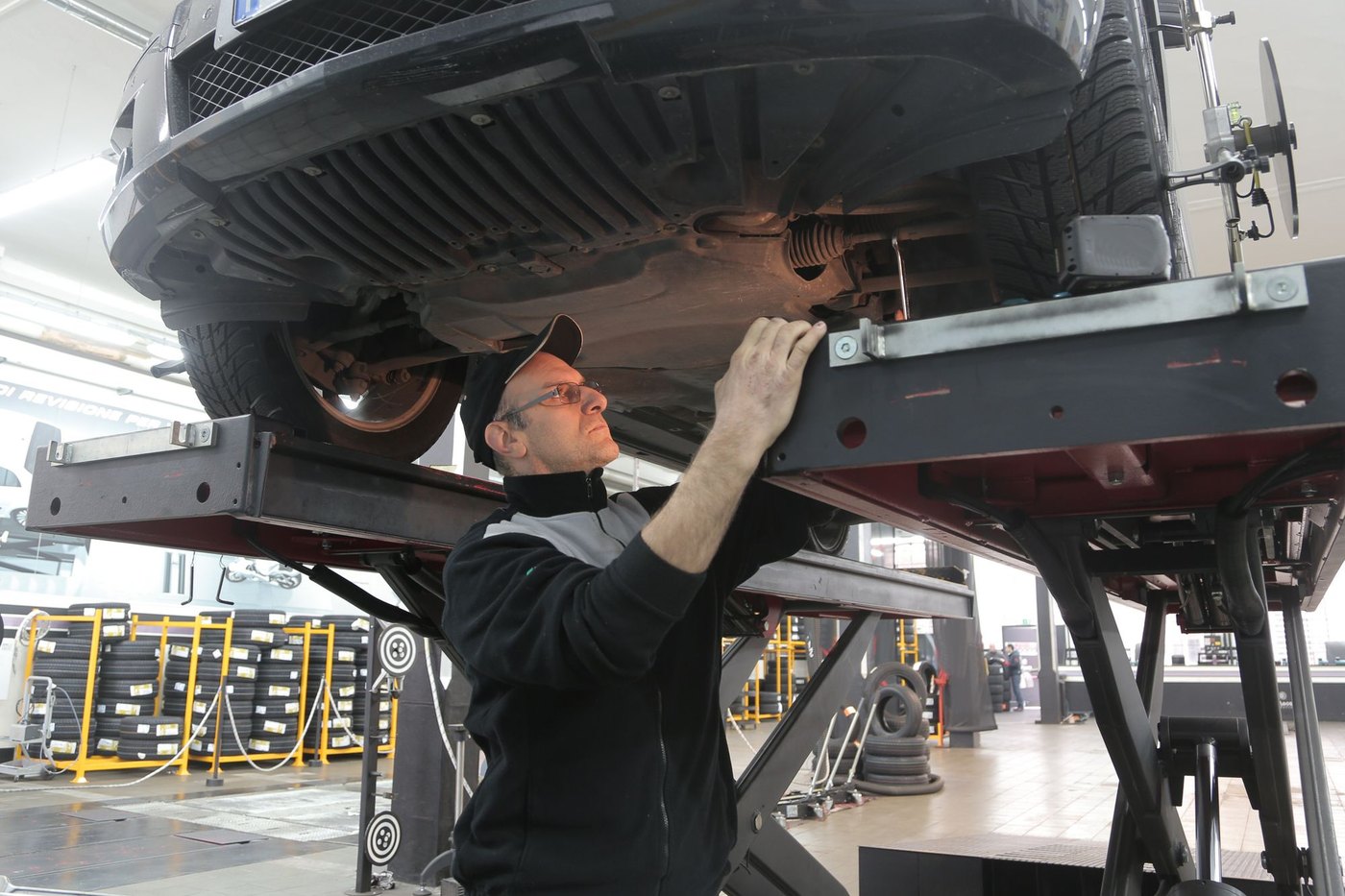 Rust and silt under the car are hard to clean away completely. | Photo: Andrea Piacquadio, Pexels
Flood water leaves traces that a quick clean misses. Look and smell for:
- A musty or mouldy smell, or a strong air freshener covering one.
- New carpet in an older car, or carpet that feels damp underneath.
- Silt, mud or sand in odd places: under the seats, in the spare wheel well, behind panels and in the glove box.
- Rust on seat rails, bolts, pedals and screws that wouldn't normally get wet.
- Water lines or fogging inside the headlights, tail lights or instrument cluster.
- Rust under the car on the frame, suspension or exhaust that seems heavy for the car's age.
Check 3: The electrics
Water and electronics don't mix, and faults often appear weeks or months later. During a test drive, try everything: windows, locks, mirrors, seats, lights, wipers, the radio, air conditioning and the dashboard warning lights. Warning lights that stay on, flicker, or don't light up at all when you start the car deserve questions.
Check 4: A mechanic
Even a careful buyer misses things a mechanic will find. A good mechanic can check for corrosion in the wiring and connectors, look at the engine oil and transmission fluid for water contamination, and spot repaired structural damage from an earlier crash. The cost of an inspection is small compared with the cost of the car.
Warning signs in the sale
The car is only half the story. Be careful when:
- The price is well below similar cars for no clear reason.
- The seller resists a VIN check or an independent inspection.
- The papers are new, incomplete or don't match the VIN on the car.
- The seller pushes you to decide or pay a deposit quickly.
Questions to ask the seller
Before you go further, ask the seller directly, and write down the answers:
- Where was the car registered before it was shipped?
- Has it ever been in a flood, an accident or an insurance claim?
- Can I copy the VIN from the car and run a history check today?
- Can my mechanic inspect it before I pay anything?
An honest seller will answer all four without fuss. Hesitation, changing stories or pressure to pay a deposit first are answers in themselves.
What this means for buyers
Our analysis: flood and salvage cars aren't always worthless, and some are repaired well. The problem is buying one without knowing. A buyer who knows the history can negotiate a fair price, budget for repairs, or walk away. A buyer who doesn't is gambling with what is often their largest purchase.
Where Omenala fits
We built TokunboVerify to put US title, auction and insurance records in front of buyers in plain language, with pre-export auction photos where they exist. We explain how it works in the case study linked above. If your business needs a tool that turns complicated records into clear answers for customers, we can help.
In short
Check the records first, then use your eyes and nose, test every electrical part, and pay a mechanic before you pay the seller. If the history shows flood or salvage, believe the history over the shine.
This article contains analysis and opinion based on publicly available information. It is not legal or financial advice. Readers are encouraged to consult primary sources and form independent conclusions.