Top 10 Automated Business Ideas, and What Each One Really Involves
By Cee · 14 November 2026 · 5 min read
An automated business is one where the sale, the delivery or the payment happens without someone doing it by hand each time. That makes the business easier to run and to grow, but no business is fully automatic. Someone still has to choose what to sell, find customers, restock, fix problems and answer the occasional difficult question.
So for each of the ten ideas below, we say what really runs itself and what still needs you. That is the part most lists leave out, and it is the part that decides whether the idea works. If you are still deciding what to automate in a business you already have, start with what you can automate to make money.
What makes a business "automated"
Three things, in order of importance:
- Customers can buy without waiting for you. They find you, choose, pay and book on their own.
- Delivery happens without you doing the work each time. A machine, a partner or software fulfils the order.
- The admin runs itself. Confirmations, receipts, reminders and records happen in the background.
The more of these a business has, the less of your time each sale takes. None of them removes the need to get customers in the first place.
10 automated business ideas
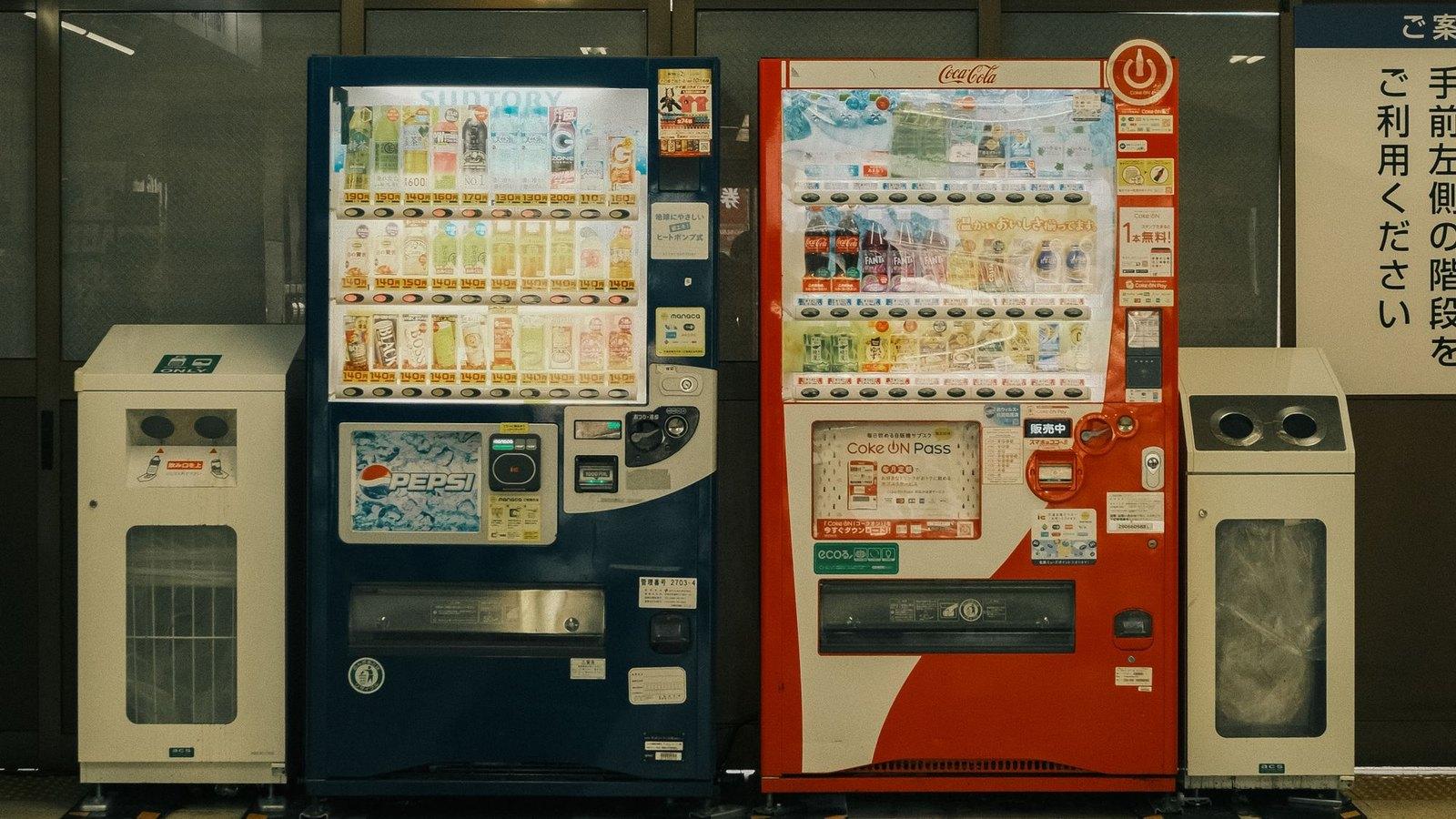
1. Vending machines
Runs itself: the sale and the payment, day and night. Still needs you: finding good locations, agreeing terms with the site owner, restocking, cleaning and repairs. Location is everything. A machine in the wrong place earns very little, however good it is.
2. Self-service laundromat
Runs itself: washing and drying, often with card or app payments. Still needs you: the premises, maintenance, cleaning and handling breakdowns quickly. It is closer to running property than running a shop, and it needs real money up front for machines and premises.
3. Automated car wash
Runs itself: the wash cycle and payment. Still needs you: a good site, equipment upkeep, water and power costs, and dealing with customers when something goes wrong.
4. Online store with print-on-demand
Runs itself: when someone orders, a print partner makes and ships the product, so you never hold stock. Still needs you: designs people want, a good website, marketing and customer service when an order goes wrong. Your profit per item is smaller because the partner takes a share, so you need volume. We built the store and automations for Topboyskicks, and the same rule held: the systems save time, but the brand and the marketing bring the orders.
5. Digital products
Runs itself: templates, guides or courses are delivered the moment someone pays. Still needs you: making something genuinely useful, keeping it updated and bringing people to it.
6. A service business with online booking
Runs itself: customers book and pay online, get reminders automatically and can reschedule without calling. Still needs you, or your staff: the service itself, whether that's cleaning, repairs, beauty or lessons. This is often the most realistic option: a normal business where the admin runs itself.
7. Membership or subscription website
Runs itself: sign-ups, monthly billing, access to members-only content and renewal reminders. Still needs you: new content or value every month, otherwise people cancel.
8. Equipment or event rental
Runs itself: availability calendars, online booking, deposits and reminders. Still needs you: delivery, collection, checking items back in and cleaning or repairs.
9. Done-for-you automation service
Runs itself: once set up for a client, the automations keep running. Still needs you: finding clients, understanding their business, building things properly and looking after them. This one sells automation itself. It suits people who like solving business problems and can explain them simply.
10. Niche directory or listing website
Runs itself: businesses submit and pay for listings, and the site publishes them. Still needs you: enough visitors to make listings worth paying for, which takes time and steady content.
How to choose between them
The ten ideas split into three groups, and the right one depends on what you have most of:
- If you have money but little time: physical ideas like vending, laundromats and car washes. They cost the most to start, but the daily work is mostly upkeep.
- If you have skills but little money: digital products, a done-for-you automation service or a niche website. They cost little to start but take time to build an audience or a client list.
- If you already run a business: add online booking, subscriptions or rentals to what you do now. This is usually the fastest route, because the customers already exist.
What every one of these has in common
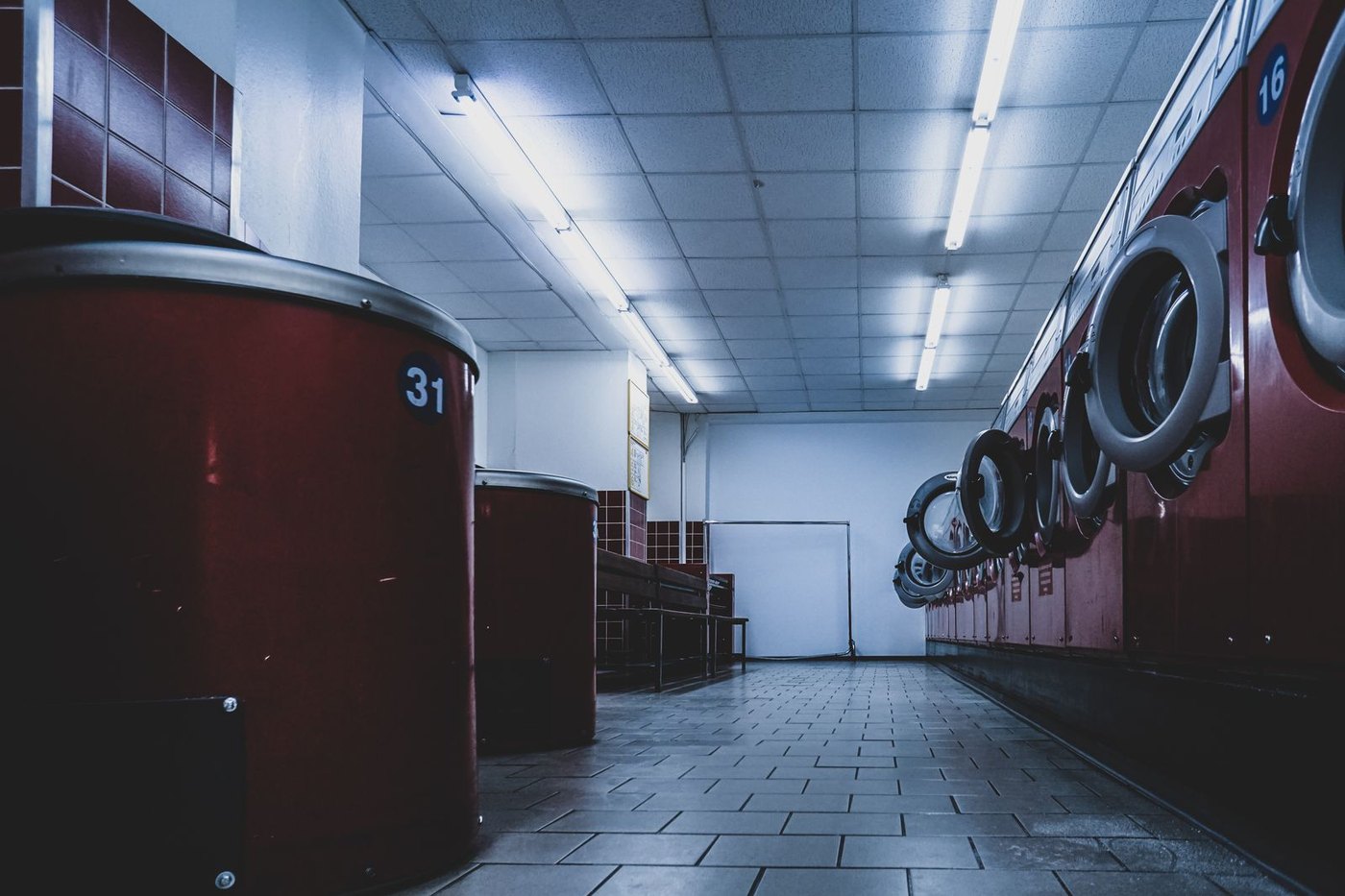 Even a self-service business needs someone to keep the machines running. | Photo: Stephan, Pexels
Look at the "still needs you" lines again. Every idea depends on the same three things: getting customers, keeping the product or service good, and fixing things when they break. Automation makes each sale cheaper to handle; it doesn't make customers appear.
That is why the best automated businesses usually start as ordinary ones. Get customers first, find the jobs you repeat every day, then automate those. Our post on five automations any small business can set up this week is a good place to begin.
Where Omenala fits
Most of these ideas need the same building blocks: a website that sells or takes bookings, a Google Business Profile so local customers can find you, and automations for payments, reminders and records. We build those for business owners, from a simple booking site to a full online store, with a fixed price agreed first. If you have an idea from this list and want to know what it would take to set up, tell us about it.
Before you start
Pick an idea where you already understand the customer, check the real costs and the time it will still need from you, and start small. The automated part is the easy part. The customers, the location and the quality are what decide whether it earns.
This article contains analysis and opinion based on publicly available information. Projections and forecasts reflect the author's interpretation of current trends and should not be treated as confirmed outcomes. Readers are encouraged to consult primary sources and form independent conclusions.