How Do I Start an Automated Business? A Step-by-Step Plan That Works
By Cee · 14 November 2026 · 5 min read

To start an automated business, start a normal business first, then automate it. Find something people will pay for, sell it by hand to your first customers, write down every step you repeat, and only then hand those steps to software. Businesses that start with the automation usually end up with impressive systems and no customers.
That order sounds slow, but it is the fastest route to a business that actually runs without you doing everything. If you are still choosing what kind of business to start, our list of ten automated business ideas shows what really runs itself in each one and what still needs you.
Step 1: Pick something people already pay for
Automation makes a business cheaper to run. It doesn't create demand. So the first test is simple: are people already spending money on this, somewhere, from someone? If yes, you have a market. Your job is to serve it better, faster or more conveniently.
Good signs: people search for it, competitors exist and survive, and customers complain about slow service or hassle. Those complaints are often exactly what automation fixes.
Step 2: Sell it by hand to your first customers
Before building systems, make the first sales manually. Take bookings by phone or WhatsApp, send invoices yourself, deliver the product or service in person if you need to. It is slower, but it teaches you what customers actually ask, where things go wrong and which steps you repeat every single time.
This step also proves the business works before you spend money on tools or software.
Step 3: Write down every step you repeat
After your first ten or twenty sales, write the process down from the first message to the final payment. For example:
- Customer finds you and asks a question.
- You answer and send prices.
- Customer books or orders.
- You confirm and take payment.
- You deliver.
- You follow up and ask for a review.
Next to each step, note how long it takes and how often it goes wrong. The steps that are frequent, slow and predictable are your automation list.
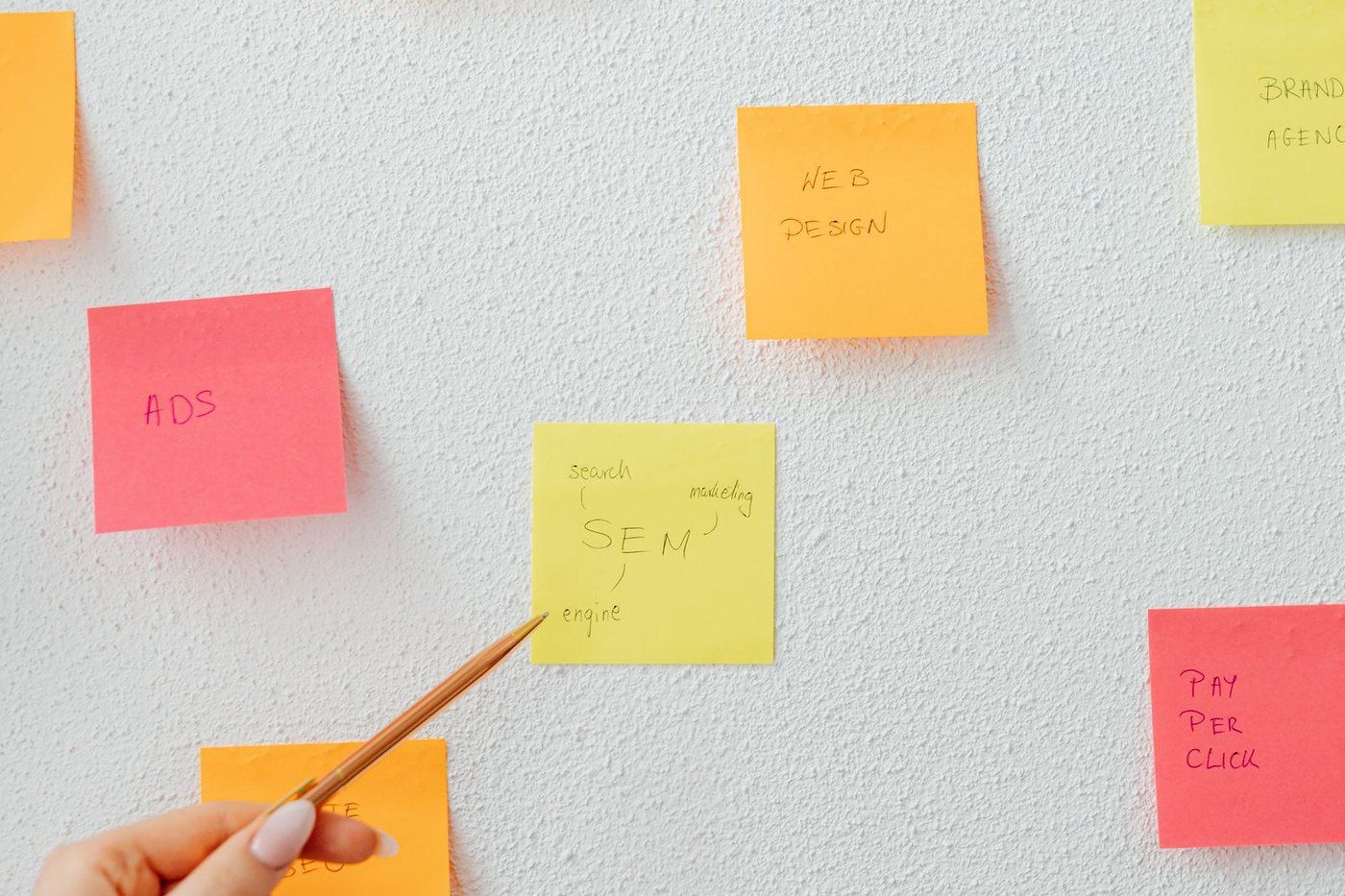 Mapping the process by hand comes before choosing any software. | Photo: Kaboompics, Pexels
Step 4: Automate the customer-facing steps first
Start with the steps that make buying easy, because they bring in money:
- A website or online shop where customers can see what you offer and buy or book without waiting for you.
- Online booking and payment, so the sale happens at any hour.
- Instant replies to common questions, so no enquiry goes cold.
- A Google Business Profile, so local customers find you before they find a competitor.
Step 5: Automate the admin next
Once sales flow, automate what happens around them: confirmations and receipts, reminders before appointments, invoice reminders, order records landing in one place, and review requests after each job. Our guide on how to do AI automation for your business walks through building these one at a time.
Step 6: Keep a person on the exceptions
Every business has moments that need judgement: an angry customer, a refund, a big custom order. Build your automations so these come to a person instead of being handled by a script. Customers forgive slow answers to unusual problems far more readily than wrong ones.
Step 7: Measure, then improve
Automation only pays off if it changes how the business runs. McKinsey's State of AI 2026 survey found that while 80 percent of respondents said AI had improved their productivity, only 37 percent of organisations reported any positive effect on profit. Our reading: buying tools is easy, and changing the way work flows is where the value is. So check each month: are you answering faster, closing more sales, chasing fewer invoices, spending fewer hours on admin? Keep what works, drop what doesn't.
What you need in place first
Before any automation can run, a few basics have to exist:
- Prices you can write down. If every price is negotiated, nothing about the sale can run on its own.
- A way to take payment without you, such as a payment link or an online checkout.
- A simple website or booking page where customers can see what you offer and act on it.
- One list where every order or enquiry lands, even if it's just a spreadsheet to start with.
- A Google Business Profile if you serve customers in a local area.
None of these are expensive. Many tools have free plans that are good enough to test the idea first; our breakdown of what free AI automation actually allows shows where those free plans stop. Get these basics working by hand, and automating them later becomes simple.
Common mistakes
- Automating before anyone buys. You end up maintaining systems for customers who don't exist yet.
- Too many tools. Every extra app is another bill and another thing that can break.
- No owner. Someone has to check the automations still run; a silent failure can cost weeks of lost enquiries.
- Hiding from customers. Automation should make you easier to reach, not harder.
Where Omenala fits
Steps 4 and 5 are what we build: websites and online shops that sell and take bookings, Google Business Profiles that bring in local customers, and the automations that handle replies, payments, reminders and reviews. We agree a fixed price in writing before we start, and you own every account and login. If you have customers and a process you repeat every day, tell us about it and we'll show you which steps to automate first.
Start small, then build
The businesses that run themselves best were rarely designed that way on day one. They started with real customers, found their repeated work, and automated it one piece at a time. Do the same and every new customer will cost you less effort than the last.
This article contains analysis and opinion based on publicly available information. Projections and forecasts reflect the author's interpretation of current trends and should not be treated as confirmed outcomes. Readers are encouraged to consult primary sources and form independent conclusions.